
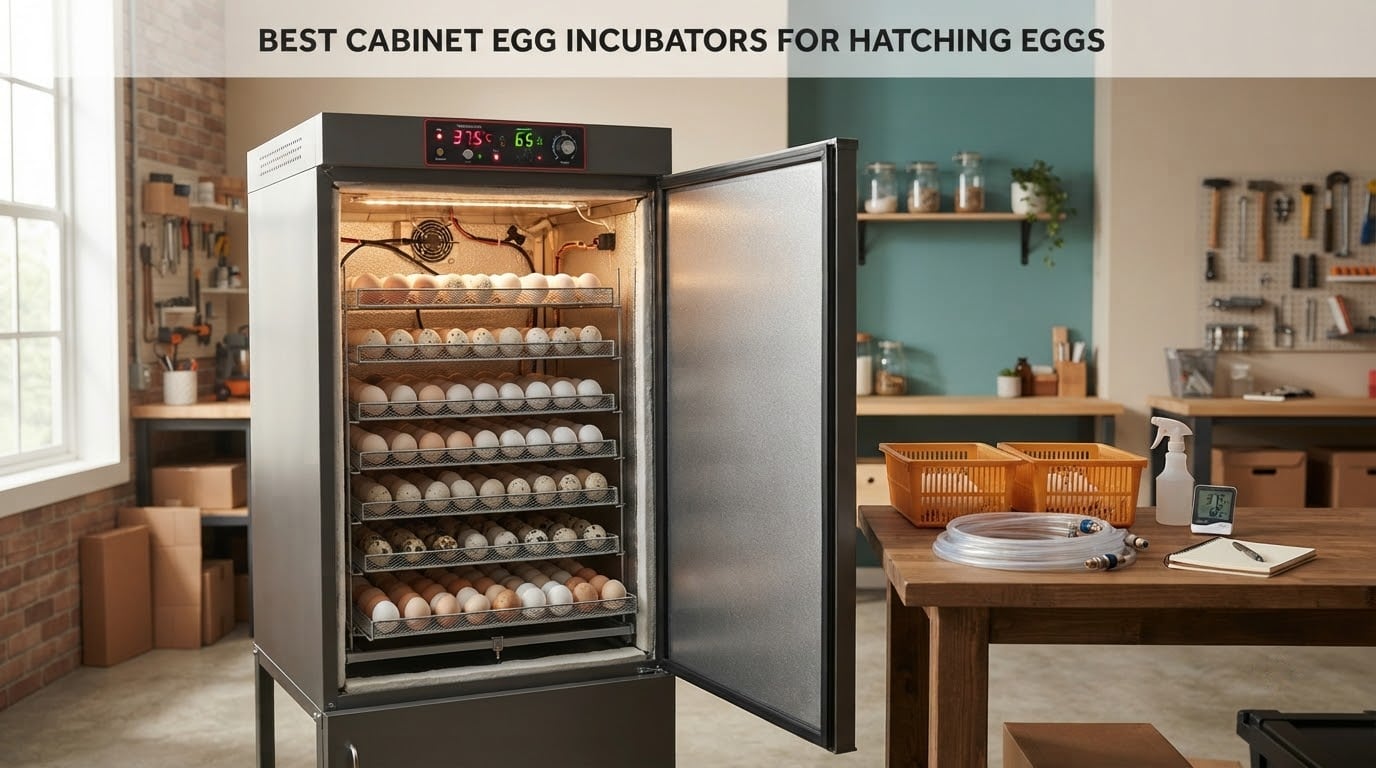
If you have ever watched a batch of 12 eggs in a little tabletop unit, you already know the ceiling of what that machine can do. The moment you start planning batches of 60, 180 or 400, or you begin setting eggs while another set is already hatching, you need a different machine entirely. That machine is the cabinet egg incubator: an upright, insulated box that holds steady temperature and humidity for three weeks without you opening the door.
Choosing the best cabinet egg incubators for hatching eggs is harder than it sounds. Retailer pages fill the search results, and nearly every one of them sells a single brand. No editorial competitor publishes a cabinet-only roundup, and none of them share real multi-batch hatch results, which is the one number that actually matters.
We spent weeks reading specifications, cross-checking customer reviews across thousands of ratings, and comparing how each unit handles the things that break hatches: calibration accuracy, humidity control during lockdown, whether the turner can move a goose egg, and whether you can get parts in five years. Everything below comes from that review work. We earn a commission when you buy through our links, which never changes what we rank.
Table of Contents
What Is a Cabinet Egg Incubator?
A cabinet egg incubator is a large, upright, insulated incubator that holds roughly 60 to 700 eggs. A forced-air fan circulates warmed, humidified air around the trays, a digital thermostat holds temperature within a fraction of a degree, and a motorised turner rotates the eggs several times a day until you stop it for the final three days.
That design matters for one reason: a cabinet holds one stable environment for the whole egg. A tabletop unit loses temperature and humidity every time you lift the lid to check on things, and those repeated swings show up later as a hatch that spreads over two or three days instead of finishing in a window. The cabinet trades bulk for control.
Top 3 Cabinet Egg Incubator Picks for 2026

Hatching Time CT180SH
- Set and hatch in one cabinet
- Automatic Conturn turning
- Humisonic auto humidification
- High and low alarms with room sensors

GQF 1502 Setter and Hatcher
- 288 chicken egg capacity
- Three auto-turning racks plus hatching tray
- 5-gallon water reserve system
- Quiet insulated plastic board cabinet
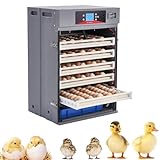
VEVOR CR400 400-Egg Cabinet
- 400-egg cabinet capacity
- 360 degree air circulation
- Automatic turning
- Transparent shell with built-in lighting
We rank the Hatching Time CT180SH first because it is the only unit here that does everything a serious breeder needs in one cabinet: setting, hatching, automatic turning, automatic humidification, and a real alarm system, backed by the second-largest review base in this roundup at 195 ratings. The GQF 1502 edges it on pure rating and is described by its maker as quieter, but its 23-review pool tells you very little about year five. The VEVOR CR400 takes the value slot because it holds 400 eggs with a genuine air circulation system at a fraction of the cost of the cabinets above it, even though its 3.6 average and 26% one-star share are a fair warning.
All 10 Cabinet Egg Incubators Compared in 2026
| Product | Specifications | Action |
|---|---|---|
| Hatching Time CT180SH Setter and Hatcher |
|
Check Latest Price |
| GQF 1502 Setter and Hatcher |
|
Check Latest Price |
 GQF 1500 Digital Professional GQF 1500 Digital Professional |
|
Check Latest Price |
| VEVOR CR400 400-Egg Cabinet |
|
Check Latest Price |
 XKV EI-176 176-Egg Incubator XKV EI-176 176-Egg Incubator |
|
Check Latest Price |
 Sailret 400-Egg Commercial Cabinet Sailret 400-Egg Commercial Cabinet |
|
Check Latest Price |
 Criebeo 400-Egg Cabinet Criebeo 400-Egg Cabinet |
|
Check Latest Price |
 TAMUBAKS 400-Egg Roller Incubator TAMUBAKS 400-Egg Roller Incubator |
|
Check Latest Price |
 HKDQ 288-Egg Incubator HKDQ 288-Egg Incubator |
|
Check Latest Price |
 Hatching Time HB700C 700-Egg Combo Hatching Time HB700C 700-Egg Combo |
|
Check Latest Price |
Read that table as a ladder, not a leaderboard. Three products here have fewer than five customer reviews total, so their star ratings are close to meaningless. Judge them on their published specifications, and treat the ones with hundreds of reviews as the safer bets.
1. Hatching Time CT180SH – Best Overall Cabinet Egg Incubator
Hatching Time Incubators for Hatching Eggs, CT180SH Egg Setter & Hatcher
Up to 180 chicken eggs
All-in-one setter and hatcher
Auto turning and auto humidity
High and low alarms
Pros
- Sets and hatches in one cabinet
- Automatic turning plus automatic humidity management
- High and low temperature and humidity alarms
- Handles quail turkey duck goose pheasant
- IP55 AirRoute ventilation with active cooling
Cons
- Indoor use only in a temperature-controlled room
- Quail above 324 needs separate QT13 racks
- Goose and peacock setting needs separate GT03 racks
- Weighs 49 lb and stands 42 inches tall
This is the cabinet we would put in a barn that has power but no climate control, because the CT180SH treats its environment seriously. It runs on 110V, averages 70W and peaks at 200W, which is a gentle draw for a machine that holds 180 chicken eggs. The Conturn turners rotate the trays during setting and stop when you tell them to, and the Humisonic humidification system manages water without you opening the lid.
What pulled it to the top of our list is the alarm package. High and low temperature and humidity alarms with room sensors mean that if the cabinet drifts or the room around it drifts, you find out while there is still time to act. Backyard Chickens threads about cabinet incubators are full of owners who discovered a problem on day 19. This unit tells you on day 2.
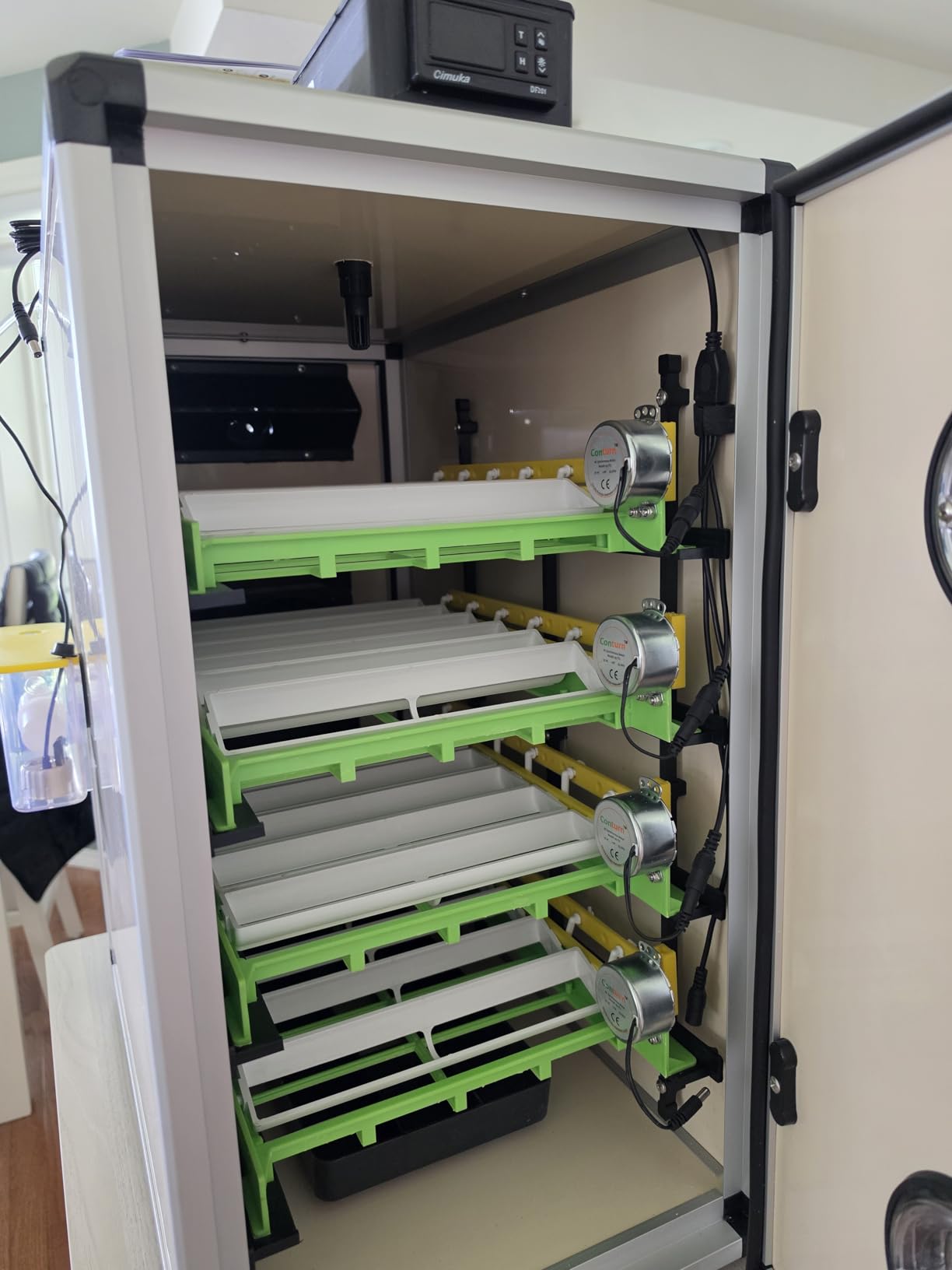
The species capacity is genuinely useful for mixed work: up to 180 chicken eggs, 120 turkey or duck eggs, 72 goose or peacock eggs, 216 pheasant eggs and 252 partridge eggs with the standard setup. The IP55-rated AirRoute ventilation with scheduled cooling and moisture release is the sort of feature that gets described in a manual and then quietly matters in August.
One real caution from the 195-review pool: a 12% one-star share points at control complexity and batch-to-batch variation. Owners who report poor results are usually the ones who did not run a 24-hour pre-run before setting. Owners who did report steady results. The cabinet itself is not the weak link.
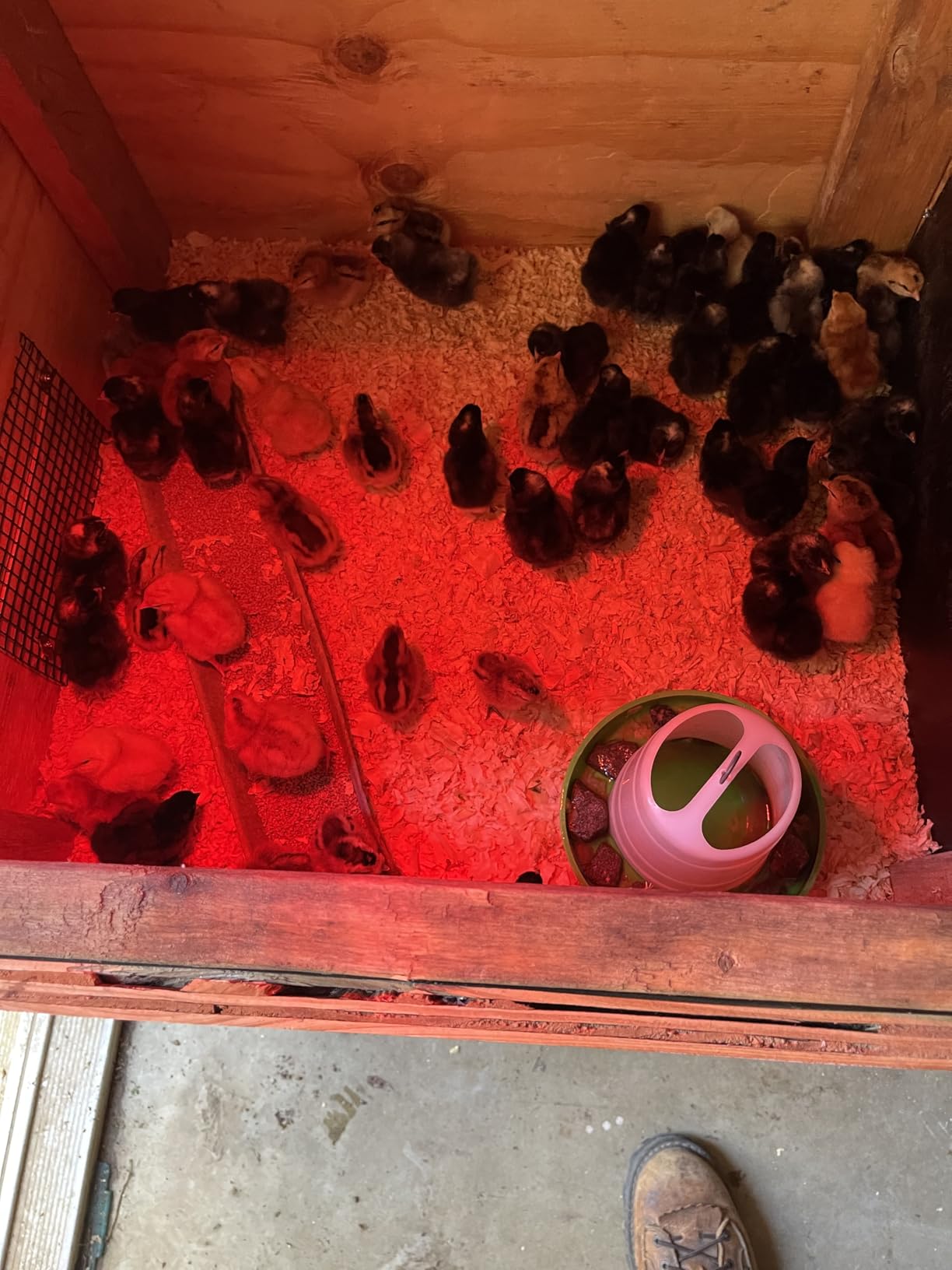
How the CT180SH handles quarantine and hatching day
The front and rear doors are the practical story here. The rear door gives you access to move a batch down to hatching baskets without unloading the entire cabinet, which matters if you are running staggered batches through the same unit. That is exactly the workflow a single-cabinet setter and hatcher is built for.
Insulated ABS walls with an anodized aluminium frame keep the shell steady, and the smooth interior wipes down between hatches. Just remember it is designed for indoor use in a temperature-controlled room, so a damp shed or an unheated garage is the wrong home for it.
Where the CT180SH falls short
The accessory racks are where the cost quietly reappears. Quail batches above 324 eggs need separately sold QT13 racks, and goose or peacock setting needs GT03 racks. If your plan is a large quail operation, budget for the racks before you budget for the cabinet.
The second limit is physical. At 49 lb and 42 inches tall, this is a full-height cabinet that needs a real corner of a room, not a shelf. If you were hoping for a low-profile unit to slide under a workbench, keep reading.
2. Pinnon Hatch Farms GQF 1502 – Best Rated Setter and Hatcher
Pinnon Hatch Farms Incubator GQF 1502 Cabinet Incubator Hatcher Holds Up to 288 Chicken Eggs Includes + 6pk Hatching Egg Trays & 3030 Water Reserve System (with 6 Universal Trays)
288 chicken egg capacity
Three auto-turning racks plus hatching tray
5-gallon water reserve tank
LCD temperature and humidity
Pros
- Highest average rating in the roundup at 4.6
- Accurate digital thermostat with on-board monitoring
- Comes complete as a setter and hatcher
- Quiet insulated plastic board construction
- 3030 water reserve system cuts refills
Cons
- Only 23 reviews so long-term reliability is unproven
- Returns may carry a 20% restocking fee
- Final capacity depends on which hatching trays you buy
The 1502 is the cabinet that shows up most often in forum conversations, and the reason is the 3030 Water Reserve System. A 5-gallon reserve tank feeding a constant-level humidity pan means you are not opening the cabinet every day to top up water. For a hatch where the door stays shut, that removes the single most common cause of humidity collapse.
On the control side, an LCD shows temperature and humidity while an on-board computer tracks the run in real time. Three automatically turned racks plus a separate hatching tray are included, so the machine arrives as a complete setter and hatcher rather than a shell you configure yourself. Audio and visual indicators tell you when the turner is working.
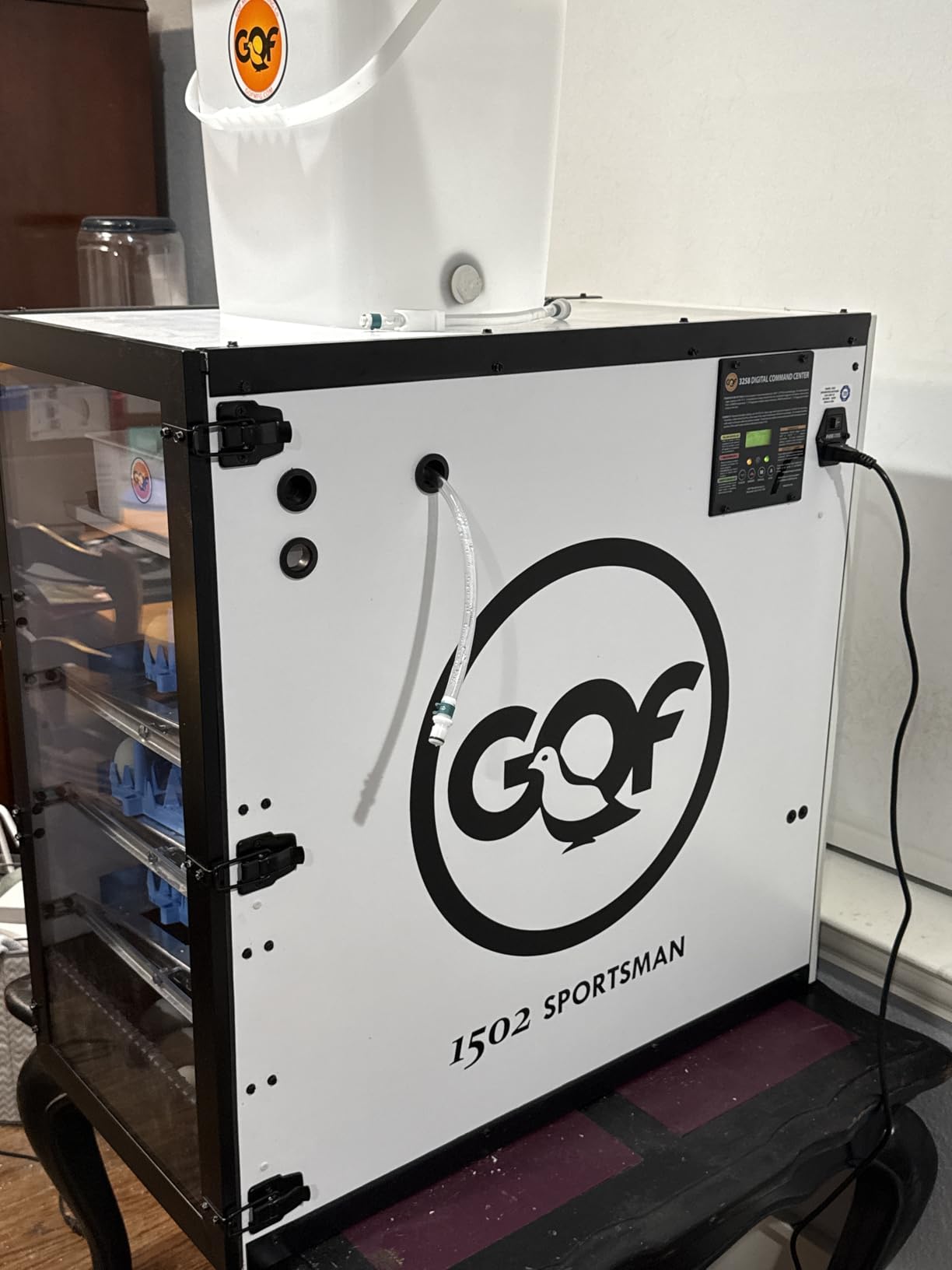
Capacity is where this cabinet separates itself. With the right trays it holds up to 288 chicken eggs, 162 duck eggs, or 1368 quail eggs, and the standard easy-view door lets you check progress without undoing the whole stack. Goose, peafowl and emu need the correct egg trays, which are separate purchases.
Each unit is hand-assembled and tested for 24 hours before it leaves the workshop, and the insulated high-strength plastic board construction is one of the quieter-running cabinets in this group. If your room is a living space rather than a workshop, that noise difference is real.
Why the water reserve system is the feature to pay attention to
Humidity failure is the most common cabinet problem owners report. Water runs out, humidity falls through lockdown, and the eggs dry in the shell. The 3030 system exists specifically to make that scenario unlikely, and it is why we rate this cabinet so highly on control confidence despite the thin review count.
The constant-level pan also behaves better than a corner-tray design, which tends to wet one corner of the cabinet more than the others and creates the damp-versus-dry zones that make hatch spread unpredictable.
Where the GQF 1502 falls short
The honest problem is the sample size. Twenty-three reviews cannot tell you what happens in year five, and 79% five-star ratings on a new listing tell you what early adopters thought, not what a long-term owner will find. Owners on BackYard Chickens who run Sportsman cabinets report good long-run results with careful calibration and regular deep cleaning, but they also describe the deep clean as a genuine project.
The second catch is the 20% restocking fee on returns. On a cabinet this size, a return is a scheduled forklift job, so read the warranty and return terms before you commit, not after.
3. Pinnon Hatch Farms GQF 1500 Digital – Best for Factory-Calibrated Readouts
1500 Digital Professional Incubator – Holds Up to 288 Chicken Eggs
288 chicken or 180 duck eggs
Three auto-turning racks
Factory-calibrated digital readouts
Hand-assembled in the USA
Pros
- Factory-calibrated temperature and humidity readouts
- Easy-to-use touch controls with LCD display
- Three automatically turned racks
- Hand-assembled in the USA
Cons
- Only two customer ratings offer almost no evidence
- Returns may carry a 20% restocking fee
- Digital accuracy figure is not stated numerically
This cabinet is the 1500CI version of the same 1502 architecture, and the difference that matters for a beginner is calibration. The manufacturer calibrates the digital temperature and humidity readouts before shipping, so the numbers on the LCD at hour zero are close to the numbers you will see at hour 500.
That matters more than most buyers expect. The single most repeated piece of advice across BackYard Chickens cabinet threads is to buy two or three external hygrometers and a probe thermometer, average them, and set a calibration offset against the built-in display. A factory-calibrated panel means you start that process from a better baseline.
Three automatically turned racks, a capacity of up to 288 chicken eggs, 180 duck eggs or 1368 quail eggs, and touch controls instead of dial-and-button menus. The whole unit is hand-assembled in the USA.
Who this cabinet suits
This is the pick for someone running their first large batch who is nervous about settings. The interface is the simplest of the three GQF units here, and the readout accuracy removes the most common first-batch mistake, which is trusting a panel that has drifted.
It also suits anyone hatching eggs that came from an unfamiliar flock. If you are not yet sure whether the fertility rate is where you think it should be, a trustworthy readout makes candling data meaningful instead of guesswork.
Why we rank this third, not first
Two customer ratings, both five stars. That is not a quality signal, it is an absence of data. The perfect score tells you nothing about how the unit behaves after a year of cycles, and we would rather you knew that than read a perfect five and assume it is proven.
No stated accuracy figure is published, no water management system is detailed beyond what the cabinet uses internally, and the same 20% restocking fee applies. Buy it for the calibration and the touch controls. Do not buy it on the rating.
4. VEVOR CR400 – Best Value 400-Egg Cabinet
VEVOR 400 Egg Incubator, Poultry Incubator Cabinet with Automatic Eggs Turning, Temperature & Humidity Control, Heating & Cooling Egg Hatcher, Commercial Incubators for Hatching Chicks Ducks Goose
400-egg cabinet capacity
360 degree air circulation
Integrated sensor with live display
110V with 12V battery switchover
Pros
- 239 ratings give the best long-term data here
- 360 degree air circulation evens out temperature and humidity
- Integrated real-time temperature and humidity display
- Automatic 360 degree turning needs no manual work
- Switches to 12V battery during an outage
Cons
- 26% one-star share signals inconsistent quality
- Around 0.9 degree temperature fluctuation is documented
- Needs the styrofoam packing kept for cold-room insulation
- Heating and cooling cycling draws complaints
The CR400 holds 400 eggs, circulates air in a 360-degree pattern and turns eggs automatically, and it does all of that for a fraction of what the branded cabinets above cost. With 239 reviews, it is the second-best-documented machine in this roundup, and that documentation is worth reading closely.
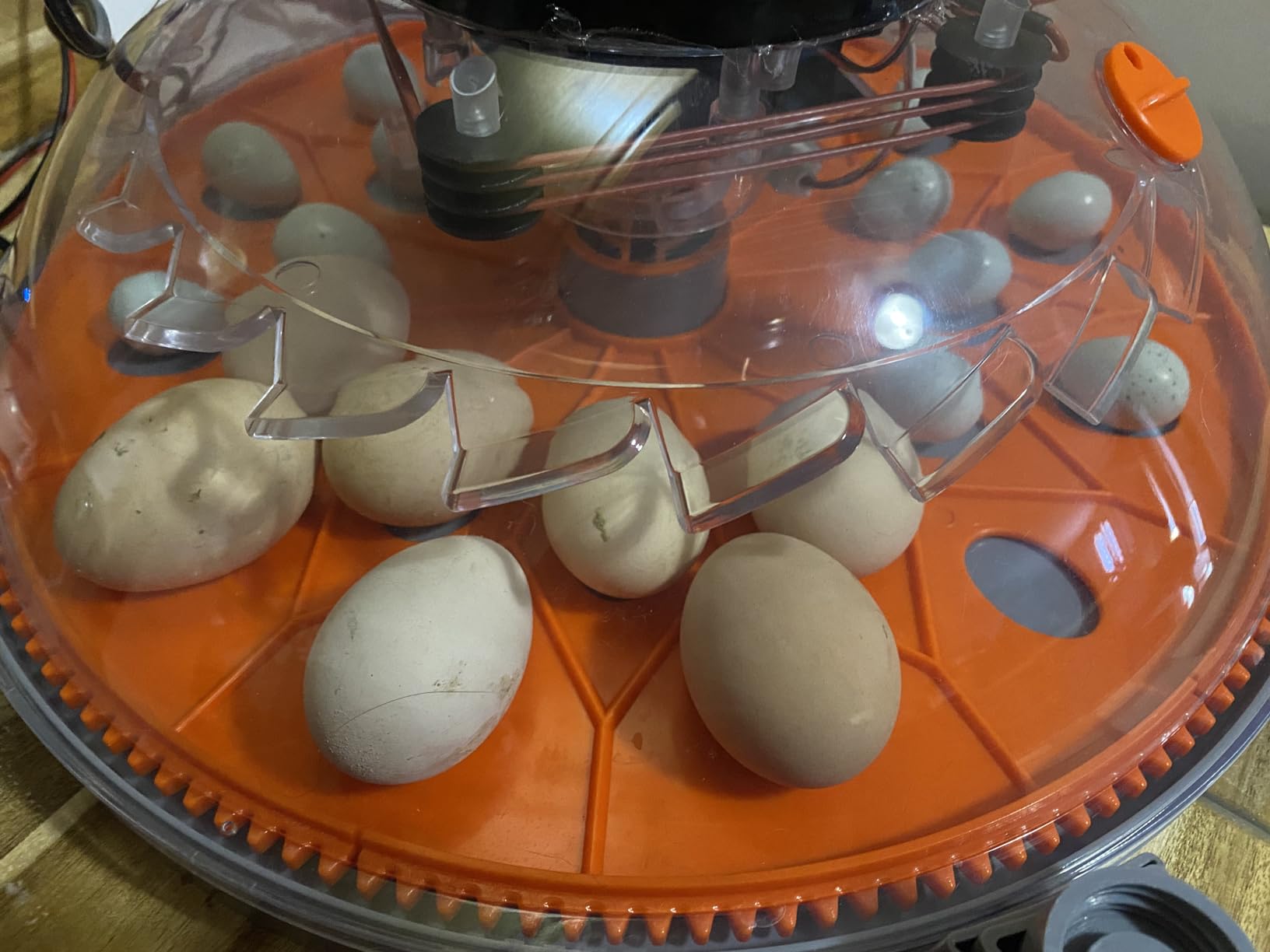
The distribution is the story: 52% five-star against 26% one-star. That is not a machine that fails for everyone, it is a machine whose quality varies between units. Owners who love it point at the 360-degree air circulation, the integrated sensor display and the ability to watch embryos develop through the transparent shell with its built-in lighting without lifting anything.
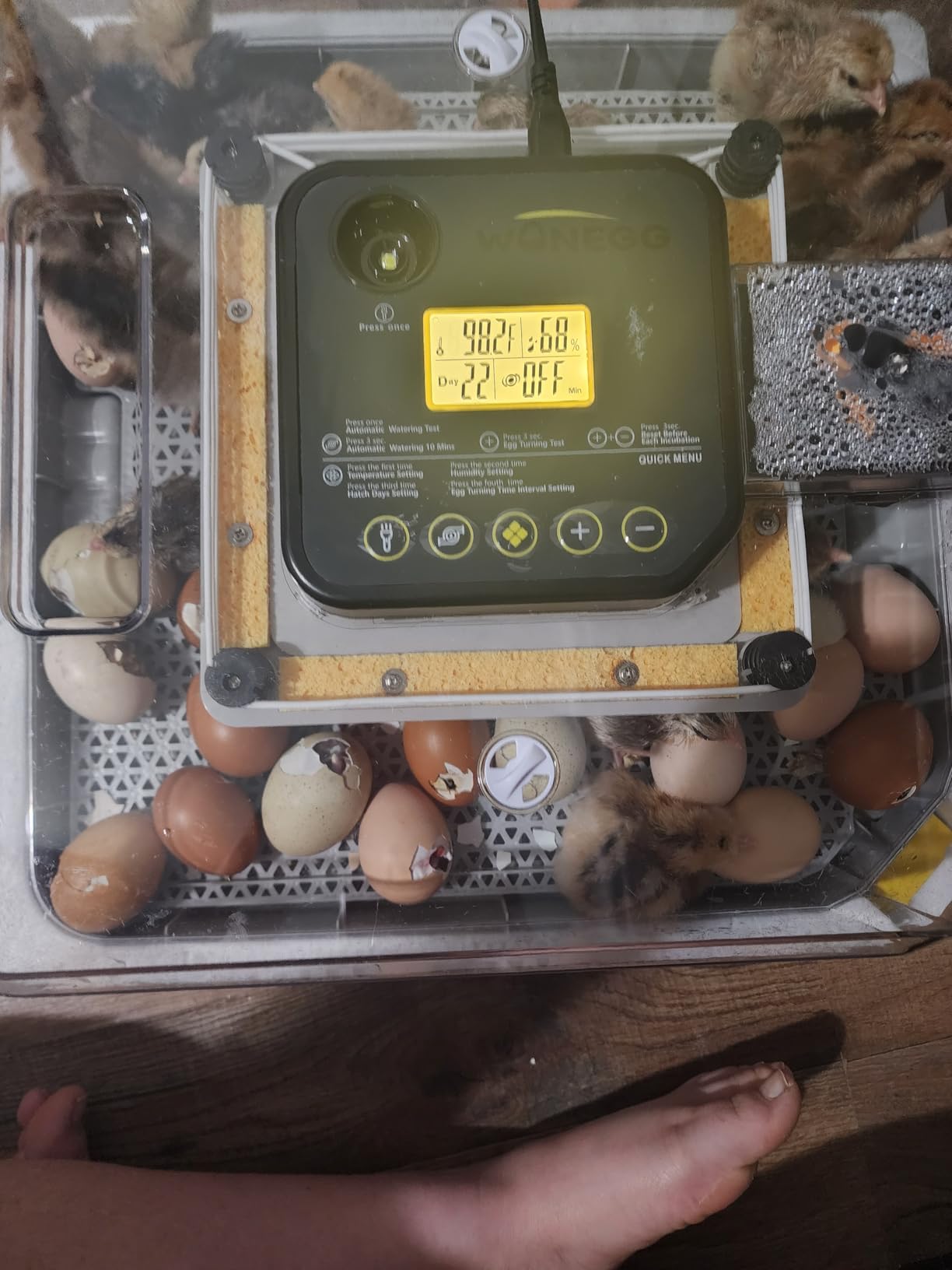
The outage feature is more useful than it sounds. It runs on 110V and can be manually switched to a 12V battery source, which means a power cut during a hatch does not have to mean a lost batch. Ask any breeder who has lost a hatch to a summer storm what that switch is worth.
Temperature fluctuations of about 0.9 degrees are documented by the manufacturer as normal for this design, and the listing states that this range does not affect incubation. Owners who report problems tend to focus on heating and cooling cycling rather than on the core temperature hold.
What 400 eggs actually gets you in a season
At roughly a 70% hatch rate on fertile eggs, a 400-egg chamber gives you a lot of throughput per cycle. It suits a small farm hatching for a market, a school programme running class hatches, or a breeder of rare breeds who wants volume without a second machine.
Measure your space first. At 55.1 lb and 24 by 19.5 by 37.6 inches it is tall rather than large-footprint, so it needs vertical clearance more than floor area.
Where the VEVOR CR400 falls short
A 26% one-star share is a real quality-control signal, and it is the reason this cabinet sits fourth instead of higher. On a machine where you cannot easily get parts or local service, a build inconsistency is harder to absorb.
Also keep the styrofoam packing if you will run the unit somewhere cold. Owners report that the packing doubles as insulation, and that discarding it in a cold room costs you temperature stability. The transparent shell also means you need a dark room if you want the chicks settled at hatch, since light in the cabinet keeps them active.
5. XKV EI-176 – Best for Precision Controls and Species Modes
XKV 176 Egg Large Incubator with Automatic Egg Turning,with Viewing Window
176-egg cabinet capacity
45 degree automatic turning
Auto humidity water pipe
Large viewing window with alarm
Pros
- Automatic water filling removes frequent refills
- Temperature accuracy claimed under 0.1 degrees C
- Six preset incubation modes by species
- Large 9.5 by 4.8 inch observation window with alarm
- Includes spare u-tube and heating copper tube
Cons
- Only 3 reviews so the 4.5 average is unproven
- Weighs 81.5 lb and stands 35.8 inches tall
- Requires an external water pipe connection
- Listed dimensions repeat height for depth
The XKV EI-176 is a 176-egg stainless steel cabinet built around precision claims. Temperature measurement accuracy error is stated at under 0.1 degrees C, with an automatic ventilation fan for heat distribution and an exhaust system that activates when temperature runs high. That exhaust behaviour is what keeps a tall cabinet from cooking the top tray.
Humidity is handled by an external water pipe connection with automatic filling to a set level, so you plumb it once rather than topping up daily. A 9.5 by 4.8 inch transparent observation window and an abnormality alarm give you a real look at the load without opening the door.
Turning is 45 degrees left and right rather than a full roll, which is gentler on the embryo than rolling designs. Six incubation modes cover chickens, ducks, geese, pigeons, pheasants and general poultry, entered by long-pressing MODE for eight seconds or set manually.
Where the precision claims matter
An error under 0.1 degrees C, if it holds in real conditions, is far better than the roughly 0.9 degree fluctuation documented on the VEVOR. Half a degree of sustained error across 21 days is enough to shift hatch spread, so accuracy specifications are worth taking seriously when you compare cabinets.
The abnormal hatch rate claim of under 1.5% and hatchability above 95% come from the listing, not from customer data. We are passing them along as manufacturer claims rather than treating them as verified results.
Where the XKV EI-176 falls short
Three reviews. That is the entire customer evidence base for a 176-egg stainless cabinet, and it tells you almost nothing about reliability across seasons.
At 81.5 lb it is one of the heaviest units here, and it needs an external water line plumbed in, which is a real installation step in a barn or shed. The listed dimensions also repeat the height for depth, so check the cabinet against your space in person rather than trusting the spec sheet.
6. Sailret 400-Egg Commercial Cabinet – Best for School and Lab Hatches
Commercial Cabinet Incubator for Hatching Eggs, Digital Hatcher with Auto Temperature & Humidity Control & Intelligent Humidification System
400-egg chamber capacity
Motor-driven tray rotation
LCD panel with 0.1 C accuracy
Built-in tank with float-ball protection
Pros
- Motor-driven automatic tray rotation at set intervals
- LCD control panel with 0.1 degree C accuracy and alarms
- Float-ball water-shortage protection
- Clear glass door plus internal air ducts
- 400-egg chamber suits larger institutional batches
Cons
- Only one customer review leaves the rating unverified
- Weighs 101 pounds
- Only 400-egg and 1000-egg sizes offered
This cabinet is marketed at institutions, and the feature that supports that claim is the float-ball water-shortage protection. When the built-in water tank runs dry, a float ball stops the heating rather than letting the chamber cook toward egg-cracking temperatures. On a machine that is left running unattended in a school building over a weekend, that is a genuine safety and batch-protection feature.
The rest of the control set is conventional and competent: motor-driven tray rotation at set intervals, an LCD panel with 0.1 degree C accuracy, real-time alarm protection, and a clear glass observation door with internal air ducts for continuous airflow. The 400-egg chamber runs a large batch in a single cycle.
Why institutional buyers care about this one
Schools, labs and farm-education programmes hatch in scheduled blocks with nobody on site overnight. Water-shortage protection and a stated control accuracy figure are the two things that let you leave a machine running over a long weekend without someone checking it.
The clear glass door also suits classroom use, where the hatch itself is the lesson. You can show development without opening the cabinet and dropping the environment.
Where the Sailret cabinet falls short
One customer review. Every performance statement in the listing, including the 0.1 degree accuracy and the uniform airflow, comes from the manufacturer and has not been corroborated by owners.
It weighs 101 pounds, and only 400-egg and 1000-egg versions exist. If you want 150 eggs, this is the wrong scale of machine, and moving it is a two-person job.
7. Criebeo 400-Egg Cabinet – Best for Mixed-Species Batches
Cabinet Incubator for Hatching Eggs,400 Eggs Incubator with Automatic Egg Turning and Humidity Control,Commercial Large Cabinet Hatcher for Chicken, Duck, Quail,Birds Eggs (Red,400-Egg)
400-egg commercial cabinet
Turning every 2 hours
Smart alarms with digital display
Corrosion-resistant PE cabinet
Pros
- Auto-turning every 2 hours supports even embryo positioning
- Real-time digital temperature and humidity displays with smart alarms
- Handles mixed batches of different species in one run
- Panoramic observation window for undisturbed checks
- PE shell is easy to clean between batches
Cons
- Only one customer review
- Listed 8.38 lb weight looks inconsistent with a 400-egg cabinet
- New January listing with no track record
The case for this cabinet is species mixing. The listing states it handles mixed batches of different bird eggs in a single run, with 360-degree auto-turning every two hours to keep embryos evenly positioned and smart alarms on temperature and humidity deviations. For someone running quail alongside chicken eggs at different incubation lengths, that flexibility is the draw.
Construction is corrosion-resistant PE with a panoramic observation window and circulating air ducts with auto-humidification. The PE shell is also a cleaning advantage over foam interiors, which BackYard Chickens owners repeatedly describe as nearly impossible to sanitise properly between batches.
Two-hour turning is a shorter interval than most cabinets in this roundup use, which in principle keeps the yolk sac better centred through the long middle stage.
When mixed batches actually make sense
Mixed loading works when the species share an incubation length and a temperature target. Quail eggs turn faster and run 14 days, so mixing them with a 21-day chicken batch is a bad idea. Mixing chicken and pheasant, or several quail types, is where a flexible tray system earns its keep.
Check the tray spacing before you commit. Adjustable dividers are what make a mixed load possible, and not every cabinet in this roundup includes them at every size.
Where the Criebeo falls short
One review, and a listing with barely any owner history to draw on. Every specification here is manufacturer copy.
The listed item weight of 8.38 lb is not credible for a 400-egg cabinet, which tells you the listing data is incomplete. Ask for the shipping weight and the real dimensions before you plan where it goes.
8. TAMUBAKS 400-Egg Roller Incubator – Best for Exotic Bird Eggs
Poultry Breeding Incubator, Automatic Digital Egg Incubator with Temperature Control, 400 Eggs Capacity, 360° Roller Flipping, for Hatching Chicken Duck Goose Quail Birds (400 Pieces)
Around 400 egg capacity
360 degree roller flipping
Size-adaptive egg turning
LED temperature and humidity
Pros
- Smart turning adapts to varying egg sizes
- Size-adaptive turning reduces damage on mixed loads
- LED display shows live temperature and humidity
- Intelligent alerts warn of deviations
- Supports quail through swan parrot lovebird and macaw
Cons
- Only one customer review
- Automatic temperature control claimed without an accuracy figure
- No water-shortage protection system is mentioned
Size-adaptive turning is the feature that separates this cabinet from the generic 400-egg boxes, and it is why we rate it best for exotic birds. A smart egg-turning system adapts to eggs of varying sizes to prevent misalignment or damage, which is the exact problem you hit when a load contains lovebird eggs next to quail eggs next to something larger.
The species list is unusually wide for this price band: chicken, duck, goose, quail, pheasant, turkey, swan, parrot, lovebird and macaw eggs. An LED display gives real-time temperature and humidity, and an intelligent alert system flags deviations from the programme.
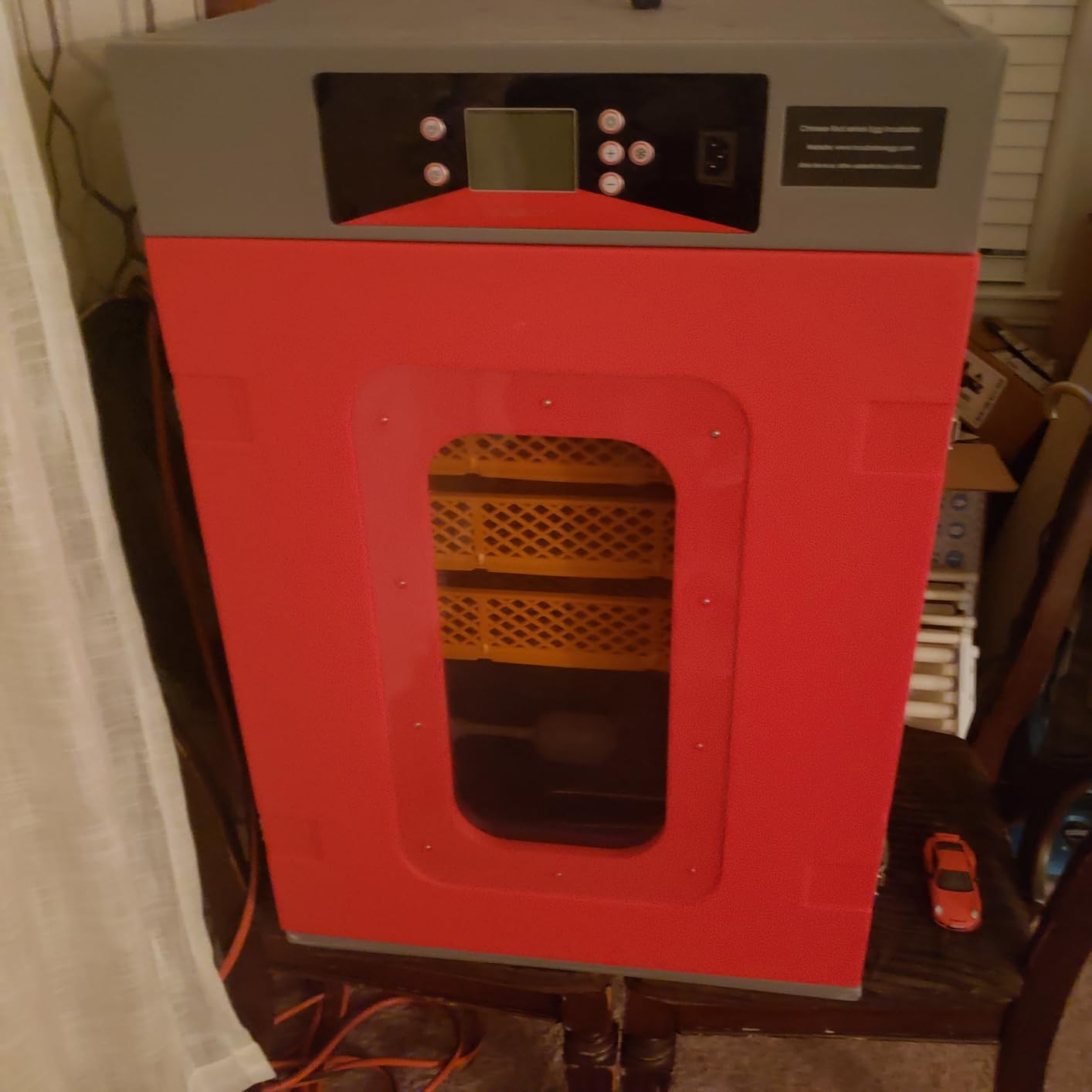
At 49.6 lb and 23.8 by 18.7 by 34.8 inches it is the lightest of the 400-egg cabinets here by a wide margin, which makes it more manageable in a home garage than the 101-pound units. That matters if you are the only person who will ever move it.
Roller turning, and when it helps
A 360-degree roller flipping system keeps eggs moving continuously rather than tilting on a schedule. That approach suits eggs that vary in size, because a fixed turning tray has to be set for one egg shape and everything else ends up sitting at the wrong angle.
The trade-off is gentleness. Gentle 45-degree tilting, as used by the Hatching Time units, is easier on delicate eggs than a full roll. For very large emu or ostrich eggs, consider tilting designs instead.
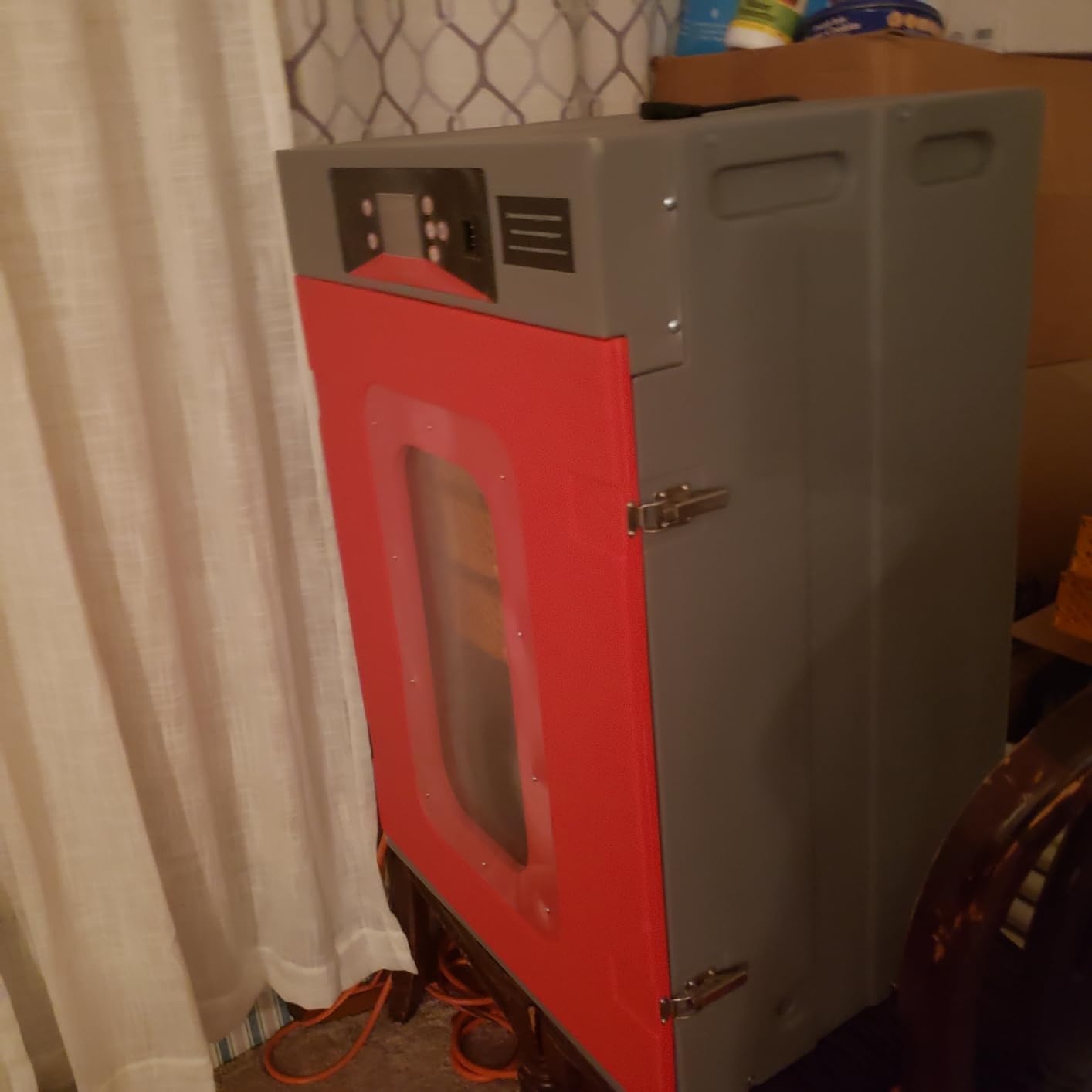
Where the TAMUBAKS falls short
One customer review means the 5.0 rating is unverified. The automatic temperature control is claimed without any stated accuracy figure, which is the single specification we would want before buying a cabinet.
No water-shortage or humidification protection system is mentioned. On a machine this size, running the water system dry is a real risk, so add a water-level check to your routine if you choose this one.
9. HKDQ 288-Egg Incubator – Best Starter Cabinet-Style Unit
HKDQ Egg Incubator – 2026 New Egg Incubator with Automatic Egg Turning and Humidity Control,Large Poultry Hatcher for Chickens Birds Ducks (288 Eggs)
288 chicken egg capacity
360 degree rotation with spacing adjustment
Double fan temperature system
Built-in egg candling lamp
Pros
- 288 chicken egg capacity with an automatic water dispenser included
- 360 degree rotation with adjustable spacing
- Automatic water dispenser included
- Double fan system for even airflow
- Includes an egg candling lamp for viability checks
Cons
- 3.6 average with a 20% three-star share
- Transparent cover instead of a solid insulated cabinet
- Shallow 31 by 9.5 by 21 inch footprint
- Less enclosed brooding space than true cabinets
Be clear about what this is: a large transparent-lid incubator with cabinet-style capacity, not a true insulated setter cabinet. If you want the first one, that is fine. If you want the second, scroll back up.
On features it is generous for the money. A 288 chicken egg maximum, up to 228 duck eggs, 150 goose eggs or 420 bird eggs. 360-degree rotation with adjustable spacing for different egg sizes, a double fan constant temperature system, built-in water channels, an automatic water dispenser in the box, and an LED candling lamp for checking embryo viability.
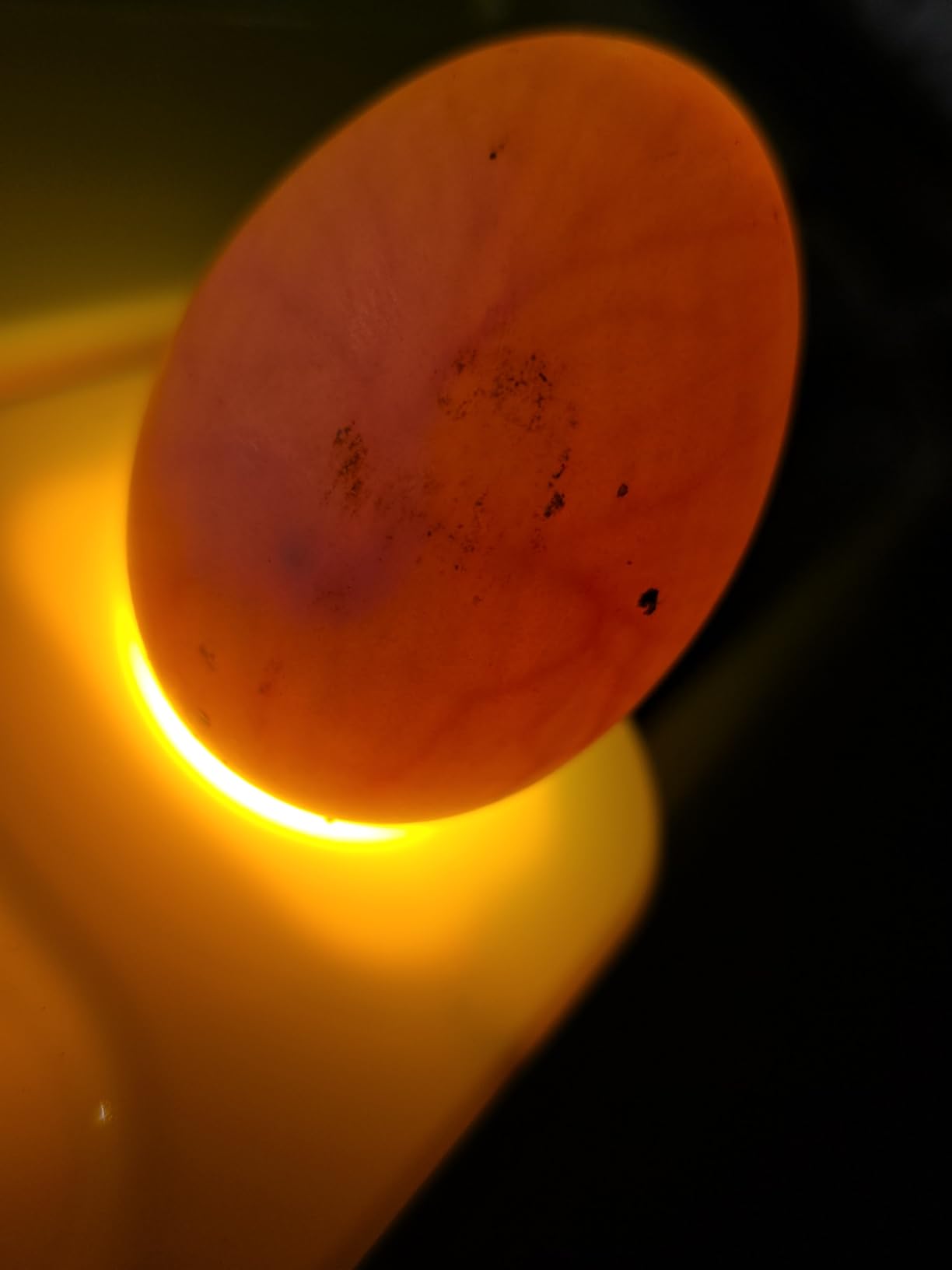
Control is either fully automatic or DIY mode with free temperature and humidity setting, and it counts the incubation day for you. That day counter is small but genuinely useful, because most wasted hatches come from miscounted days and a lockdown that started on the wrong date.
The 3.6 average with 13 reviews, including a 20% three-star share, suggests mixed experiences with temperature stability and results. Owners do credit the size, the price point and the included dispenser.
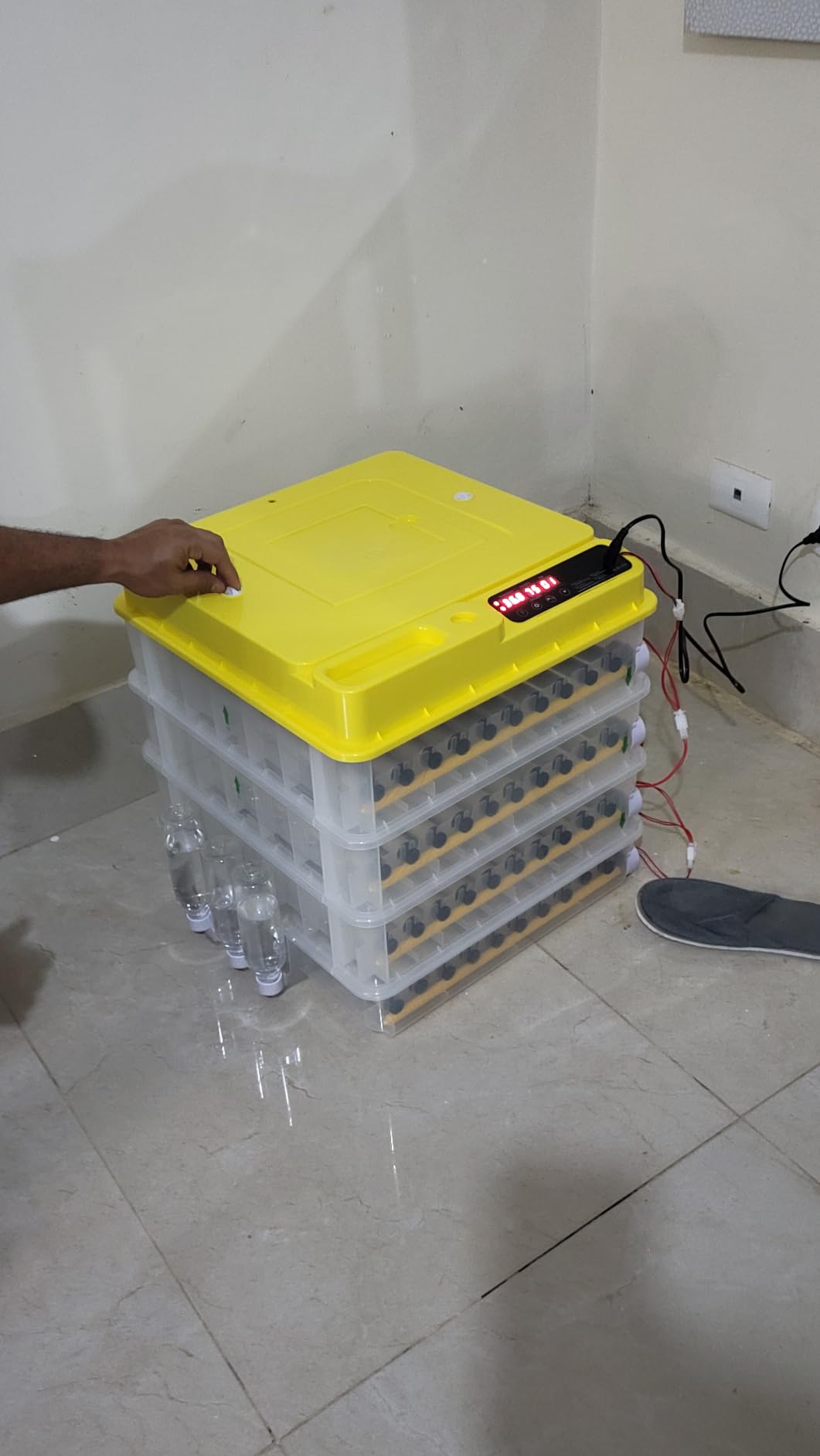
Should you move up to a cabinet after one season
Most people who buy this unit do so because they want a lot of eggs without a large spend. That is a reasonable place to start, and the double fan system is a genuine step up from a single-fan tabletop box.
The step up matters most for two things: a solid opaque cabinet needs less compensation for ambient light and room temperature, and vertical trays pack far more eggs into a smaller footprint. If you plan to expand past one or two batches a year, plan the cabinet purchase now.
Where the HKDQ falls short
The transparent cover works against you in two ways. Light keeps chicks active and restless at hatch instead of resting, and a transparent shell gives you far less thermal mass than an insulated cabinet, so room temperature swings reach the eggs more directly.
The 31 by 9.5 by 21 inch dimensions also suggest limited brooding space once the eggs have hatched, which is another reason to plan on a brooder.
10. Hatching Time HB700C – Best for Staggered Batch Production
Hatching Time Egg Incubator & Hatcher for Hatching 700 Eggs, HB700C
Up to 700 chicken egg capacity
TurnX vibration-free turning
16 adjustable setter trays
Staggered batch hatching
Pros
- Largest capacity in the roundup at 700 chicken eggs
- TurnX turning is gentler than rolling designs
- True setter and hatcher combo with staggered batches
- 16 adjustable trays with adaptable dividers
- Self-regulated temperature and automatic humidity
Cons
- 3.5 average with 49% of reviews at two stars
- Very tall at 71 inches and 115 pounds
- Highest power draw here at a 425W peak
- Indoor use in a draft-free temperature-controlled room
The HB700C is the unit to look at if you are running a hatchery rather than a hobby. It holds up to 700 chicken eggs total and works as a true setter and hatcher combo, where eggs move down one level at scheduled intervals so one batch hatches while another is still being set.
TurnX vibration-free turning rotates eggs up to 45 degrees per side without the rolling motion that puts stress on embryos. Sixteen adjustable setter trays with adaptable dividers cover quail through large poultry eggs, and per cycle it handles 396 quail, 224 partridge, 192 pheasant, 140 chicken, 96 turkey, 96 duck, 60 goose and 60 peacock eggs.
Why staggered batches change the economics
In a combo cabinet, the setter section never stops turning while the lower section is cleaned between hatches. That is the argument for this layout: you are not paying for a dedicated hatcher that sits idle half the time, and your throughput per square metre goes up sharply.
The same cabinet family comes in 175, 350, 500 and 700 egg configurations, so the stepping stones exist if you outgrow the CT180SH.
Where the HB700C falls short
The rating distribution is unusual and worth reading carefully: about half the reviews are two stars and the rest are five stars, on a base of just three reviews. There is no middle ground in the feedback, which usually means either a very good unit or a very badly assembled one.
At 71 inches tall and 115 pounds it needs a dedicated wall, and it peaks at 425W. Both Hatching Time cabinets are rated for indoor use in a draft-free, temperature-controlled room, so a heated outbuilding or a corner of a finished basement is the right home.
How to Choose a Cabinet Egg Incubator: 8 Criteria That Decide Your Hatch
A cabinet is a three-week commitment of electricity and attention. These eight criteria, in priority order, are the ones that actually change your results rather than the ones that look good on a feature list.
Forced air is not optional. A still-air cabinet develops hot and cold zones, and embryos at different heights experience different conditions across 21 days. Every serious cabinet in this roundup has a circulation fan; if one does not, walk away.
Automatic humidity control, not water trays. During the final three days of lockdown the cabinet must not be opened. If humidity depends on you topping up a tray, the humidity will drift at exactly the wrong moment. A pump, float-ball system or water reserve tank is what makes an unattended hatch possible.
Automatic turning with a stop control. The turner has to stop when you start lockdown. Confirm that you can stop it without unplugging the unit or dismantling a tray.
Capacity math against your actual batches. Count fertile eggs, not total eggs. If you set 120 eggs expecting 60% fertility, you need room for roughly 72 eggs plus space to move the late batch into hatching baskets.
Calibration accuracy and an offset control. The built-in thermometer is a starting point, not truth. Buy two or three external hygrometers and a probe thermometer, average them, and set a calibration offset. This is the single highest-return habit in the hobby.
Cleaning and sanitation access. Foam interiors cannot be properly sanitised between batches, and owners on BackYard Chickens describe declining hatch rates across successive batches traced to bleach use without thorough rinsing. Smooth plastic or stainless interiors are worth paying for.
Parts availability and warranty. Fans, humidifier pumps, turner motors and thermistors all fail eventually. Check that replacement parts exist for the model, not just that a warranty number is printed on the box.
Footprint, height and noise. Cabinets range from roughly 31 inches to 71 inches tall and up to 115 pounds. Measure the ceiling, the doorway and the floor route before you commit, and remember that most of these units are meant for a temperature-controlled room.
How to Calibrate and Sanitise a New Cabinet Incubator
Run a new cabinet empty for 24 hours before you put eggs in it. Set your target temperature, let it stabilise, then place two or three hygrometers and a probe thermometer at egg height inside the cabinet and compare them with the built-in display.
Assume they will disagree. The gap between the panel and your external readings is your calibration offset, and you set that on the controller so the panel reports reality. Keep your external devices in place for the whole hatch, since they are also your early warning system.
For cleaning, the guidance that matters comes from owners rather than manuals. A BackYard Chickens owner with two Sportsman cabinets describes the routine well: remove the back panel, vacuum out debris, scrub with a mild warm-water-and-bleach solution, work outdoors to rinse thoroughly with a hose while keeping the electrical section as dry as possible, and refit the panel with fresh foam weatherstrip from a hardware store. The back panel is often held with double-sided tape after the screws are removed.
The rinse is the step people skip. The same forum community traced one member’s steadily declining hatch rates, batch after batch on the same cabinet, to bleach being used and not rinsed thoroughly enough. Residual sanitiser degrades hatch rates progressively, so a cabinet that hatched well last year and poorly this year is often a cleaning problem, not a machine problem.
Give a used cabinet the same treatment before its first batch. They arrive filthy, and deep cleaning one is a project rather than a wipe-down. Add water and a mild detergent during a dry run to check the reservoir does not leak.
Cabinet vs Tabletop Incubator, and Setter vs Hatcher vs Combo
A tabletop incubator is right if you are hatching up to about 24 chicken eggs, once or twice a year, and you are around to open the lid. A cabinet is right above roughly 50 eggs per batch, for anyone running more than one batch a year, for larger eggs such as duck, goose, turkey or emu, and for any hatch that has to run while you travel.
The trade is simple. Tabletop units are cheap, small and hands-on. Cabinets cost more, occupy real space and demand a controlled room, but they hold one stable environment for 21 days and pack far more eggs into less floor space.
On the setter and hatcher question, the model letters used by Cimuka and Hatching Time decode the layout. S means setter only, H means hatcher only, SH means a combined setter and hatcher, and C indicates a combined unit. The CT180SH is a combo; the HB700C is also a combo with much more capacity.
A separate setter and separate hatcher is the right answer only when you are running staggered or continuous batches and can keep the setter turning while the hatcher is cleaned between hatches. For everyone else, a combo unit removes a whole cabinet from your footprint and one whole cleaning job from your routine.
Frequently Asked Questions
What is the best incubator for hatching eggs?
For batches of 50 eggs or more, the best incubator is a forced-air cabinet with automatic humidity and automatic turning. Our top pick is the Hatching Time CT180SH, which sets and hatches up to 180 chicken eggs in one cabinet. For 12 to 24 eggs once a year, a small tabletop unit remains the sensible and cheaper choice.
Which egg incubator is of the best quality?
Quality in a cabinet comes down to forced air, automatic humidity, an alarm system and build consistency. The CT180SH leads on alarms and review volume at 195 ratings. The GQF 1502 leads on rating at 4.6 across 23 reviews but has far less long-term evidence. Judge on forced air and alarms rather than star scores.
What is a good quality egg incubator?
A good cabinet egg incubator has a forced-air fan, automatic humidity control that does not require opening the lid, a digital thermostat with high and low alarms, a viewing window, and a smooth interior you can sanitise properly. Add a temperature-controlled room and a calibration offset, and an inexpensive cabinet will out-hatch an expensive one.
What is the best machine for hatching eggs?
The best machine matches the batch size and species. Chicken and quail batches under 180 eggs suit the CT180SH. Duck, goose, turkey and emu need a cabinet with adjustable tray spacing and 45-degree tilting rather than rolling. Quail-heavy hatcheries should look at the GQF units, which reach far higher quail capacities with the correct racks.
Can you increase the egg hatch rate?
Yes, and the biggest gains come from calibration and hygiene rather than the machine. Run the cabinet empty for 24 hours, cross-check with two or three hygrometers and a probe thermometer, and set a calibration offset. Candle at day 7 and day 14 to remove infertiles and dead embryos. Rinse sanitiser thoroughly, since residue builds up across batches.
Why are my eggs pipping but not hatching?
Usually the humidity was too high during lockdown or too low during the first 17 days. Pipping at full rotation with no progress also suggests weak or late embryos. Check that the cabinet stayed within a degree of target, verify your hygrometers agree with the panel, and confirm the hatching baskets were set up before lockdown so late chicks have traction and space.
What are common incubator problems?
The recurring complaints are temperature swings in some cabinet models, humidity drift when a water system runs low, turners that cannot rotate large eggs, poorly calibrated built-in thermometers, weak built-in candlers, and noisy fans. A BackYard Chickens thread attributes one member’s steadily declining hatch rates to bleach residue left by insufficient rinsing.
What are the signs of a failed hatch?
A failed hatch shows as pips that never open, chicks pipping but stuck inside the shell, or a late, spread-out finish rather than a single 24-hour window. Early signs are infertiles at candling, a temperature drift above one degree, or humidity outside your target band for more than a day. Record each batch so you can spot the pattern.
Do I need a cabinet incubator or a tabletop incubator?
A cabinet is worth it above roughly 50 eggs per batch, for more than one batch a year, for large eggs such as duck, goose, turkey or emu, and for hatches that run while you are away. A tabletop unit is smaller, cheaper and better for hatching up to about 24 chicken eggs once or twice a year when you can open the lid.
Are expensive cabinet incubators better than cheap ones?
Expensive cabinets are usually better built, quieter and better supported with parts, but a well-calibrated mid-range cabinet can match them. The differences that matter are forced air, automatic humidity, alarms and interior material. Foam interiors that cannot be sanitised and missing parts support will cost you more in hatch rates than the purchase price gap.
Final Verdict on the Best Cabinet Egg Incubators for Hatching Eggs
The best cabinet egg incubators for hatching eggs come down to one honest trade between evidence and features. We pick the Hatching Time CT180SH because it does everything in a single cabinet and has 195 customer reviews behind it, including an alarm system that tells you early when something drifts. If you want the highest rated controls and a 5-gallon water reserve that removes the most common failure in the category, the GQF 1502 is the one.
For a serious small hatchery running staggered batches, look at the Hatching Time HB700C and its 700-egg, 16-tray layout. For the largest documented capacity on a smaller budget, the VEVOR CR400 holds 400 eggs with real air circulation, and you accept a wider quality spread to get there. Whichever you choose, run it empty for a day with external hygrometers before the eggs go in, and give the interior a thorough rinse after every hatch.
If you are still weighing models, our guides to egg incubators by size and automatic incubators with turners cover the smaller tiers and the features that matter at that scale.